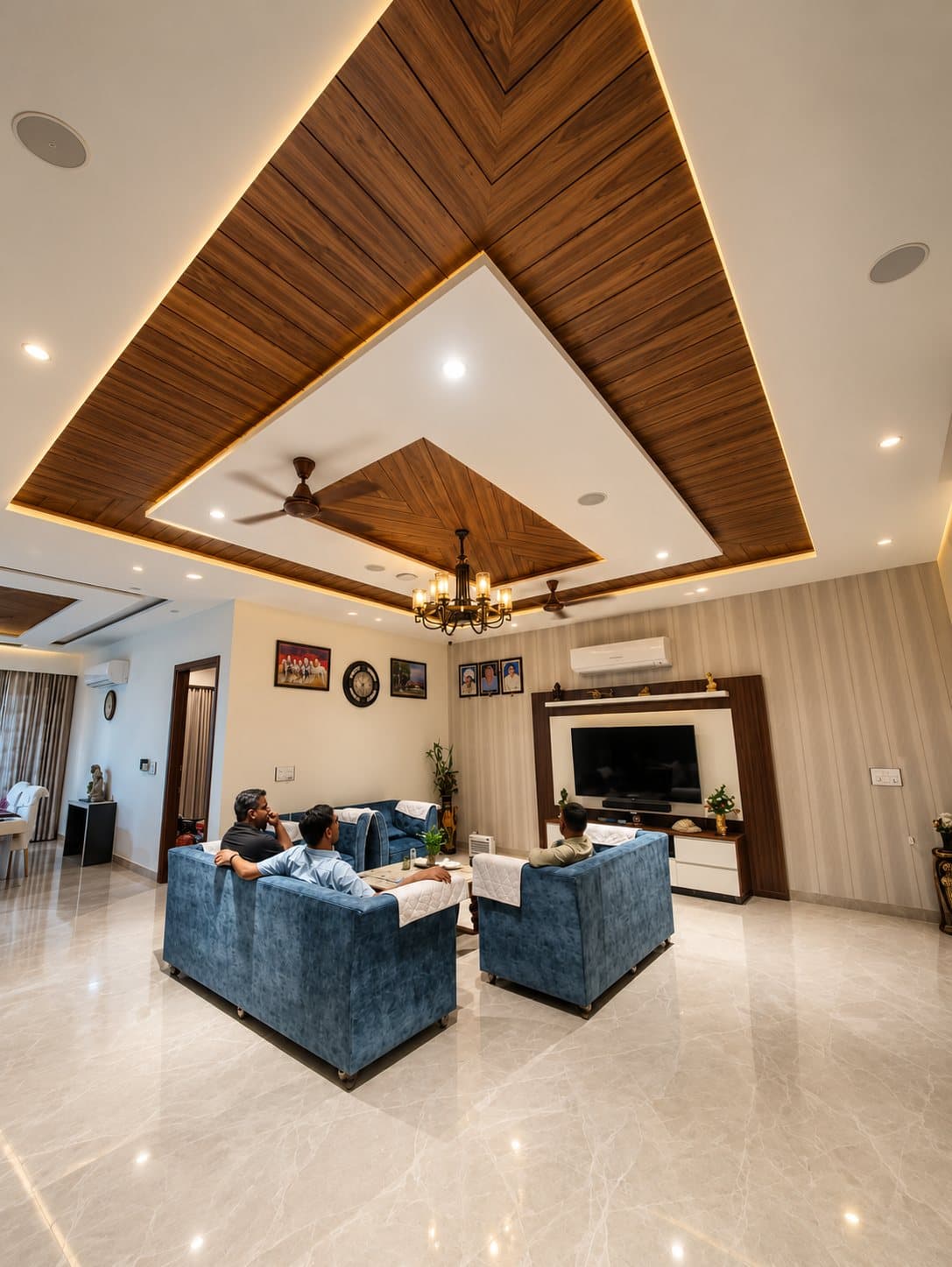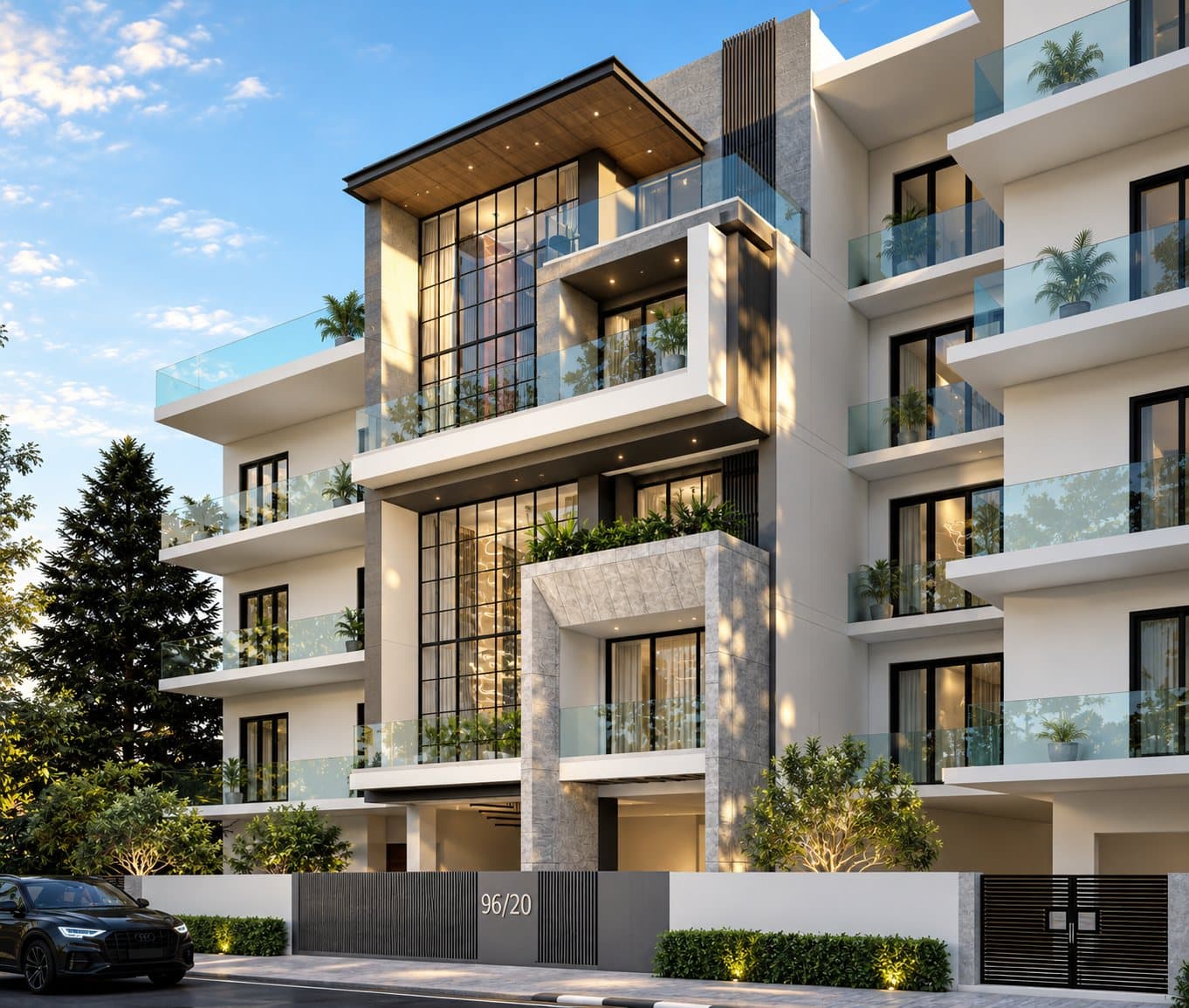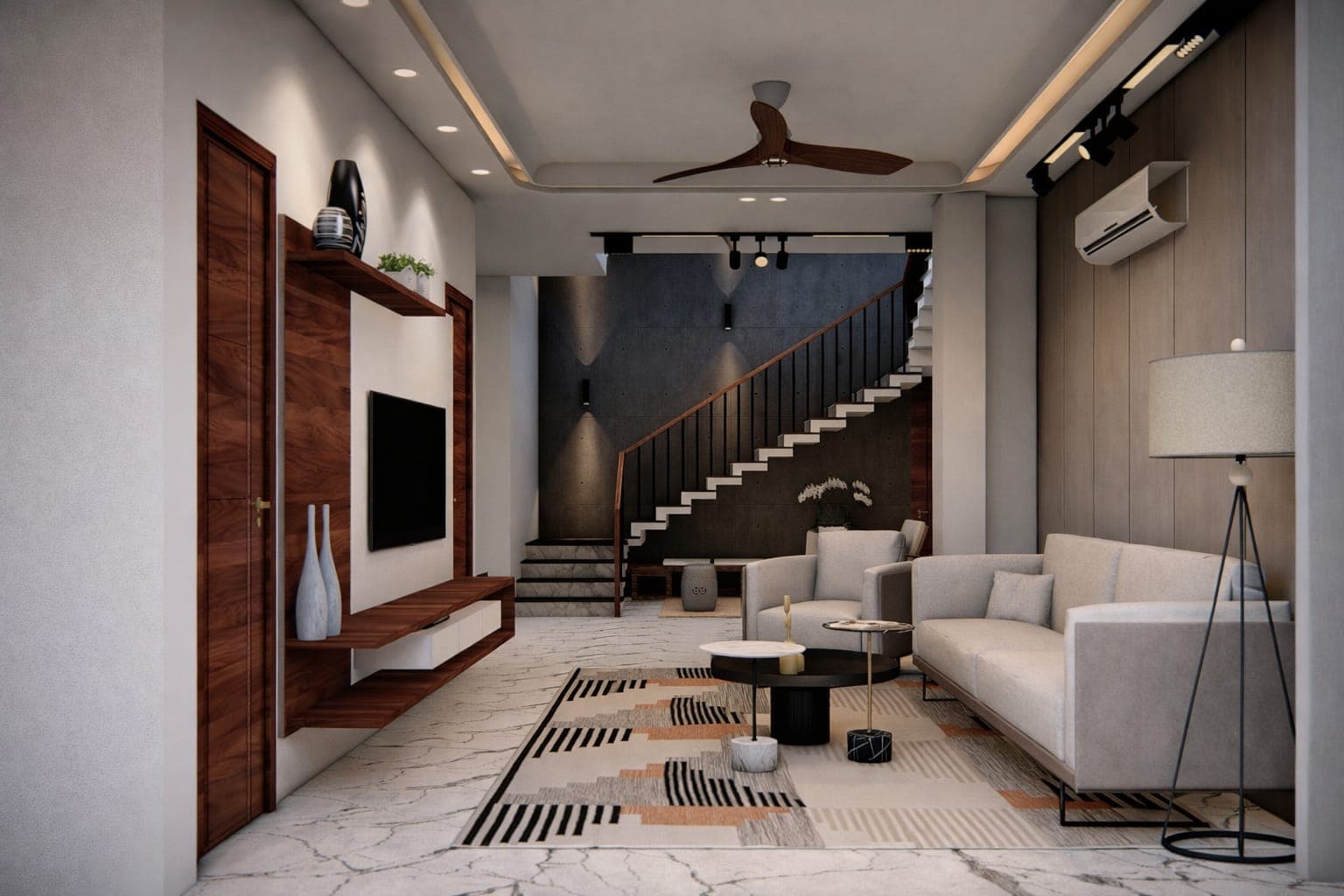
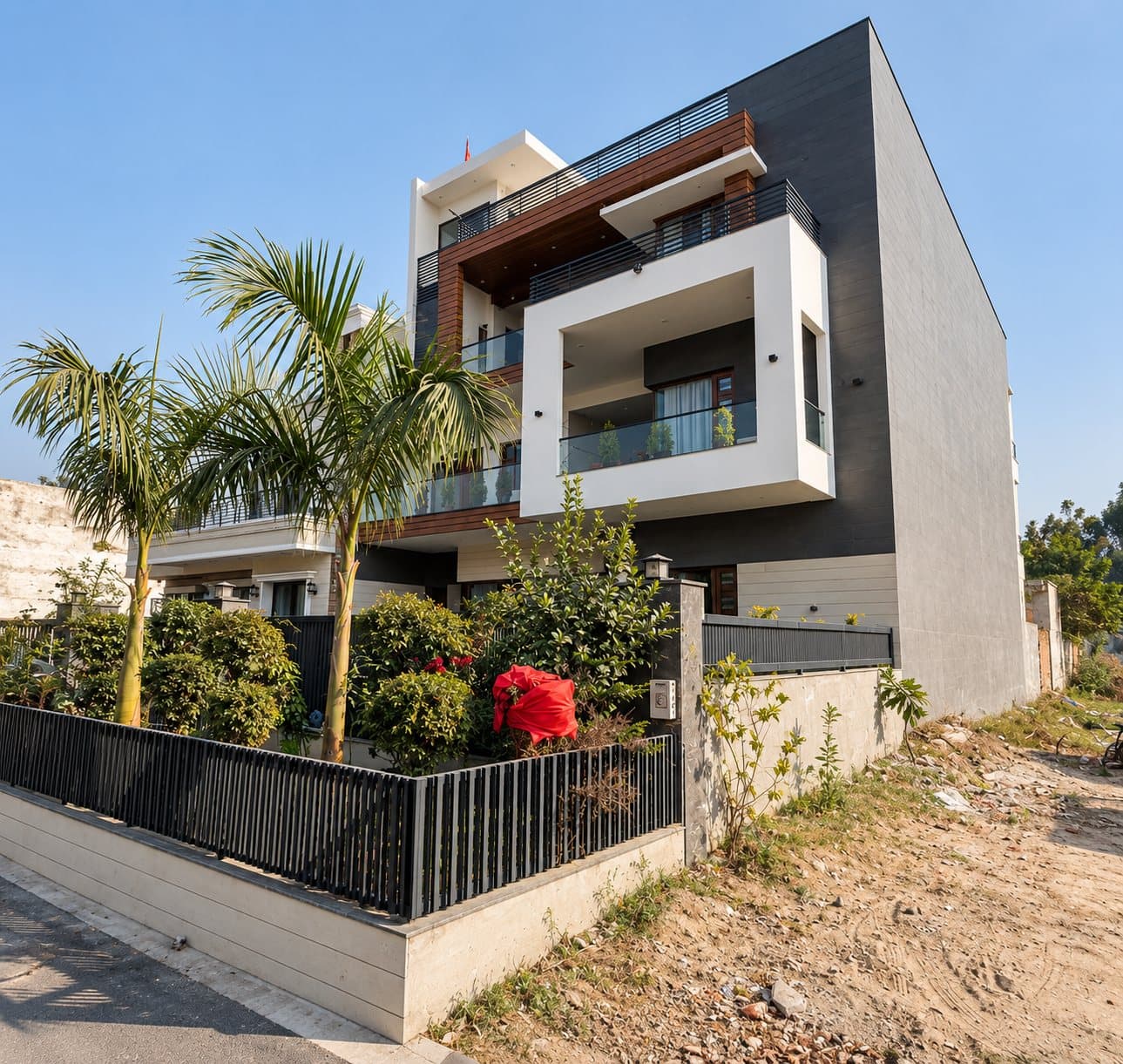
Many of the Tricity's houses were built twenty, thirty or forty years ago. Their locations are excellent and their plots are generous, but their layouts, services and facades no longer suit the way families live today.
Renovation can give an older house a second life. It also carries more unknowns than building new. The key is to understand what you have before deciding what to change. This is how we approach renovation and transformation projects.
Assess the structure first
Before any design, the existing structure needs a proper look. Which walls are load-bearing, the condition of slabs and beams, signs of dampness or cracks, and whether the building can take an extra floor all decide what is possible.
Replace the services you cannot see
Old plumbing, wiring and drainage are the most common hidden problems in older homes. If walls and floors are being opened anyway, it is the right moment to replace them. Doing it later means breaking new finishes.
- Electrical wiring and the distribution board, sized for modern appliances and air-conditioning.
- Water supply and drainage lines, including concealed pipes in bathrooms and kitchens.
- Waterproofing for terraces, bathrooms and any wet areas above living rooms.
Rethink the layout, not just the finishes
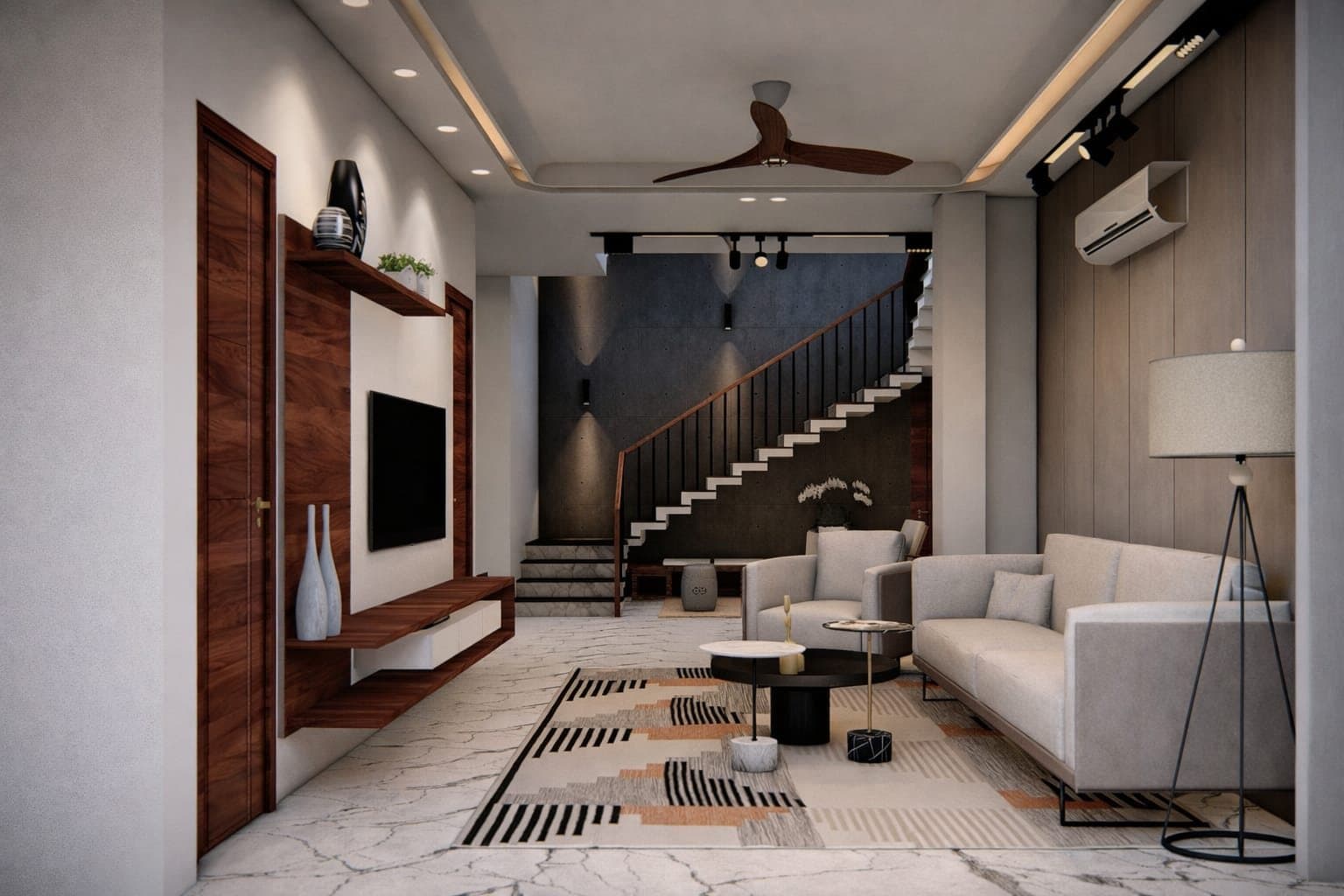
The biggest improvement in a renovation usually comes from the plan. Combining small rooms into an open living and dining space, moving the kitchen closer to the family area or adding a skylight over a dark stair can transform an older house more than any new flooring.
Upgrade the facade
A facade upgrade changes how the whole house is perceived. New cladding in stone or timber, deeper balconies, screens and a better entrance can make an older house look contemporary, and improve shading and privacy at the same time.
A good renovation keeps what already works and changes only what is holding the house back.
Plan the phases and keep a contingency
Decide early whether the family will move out during the work or stay in part of the house, because this changes the sequence. Keep part of the budget aside for surprises, since opening up old walls and floors almost always reveals something unexpected.