Not every project needs an architecture firm from the first sketch to the last fitting. Many people already have a plot, a plan from a draughtsman or a contractor ready to build. What they need is focused expertise at the right moment.
That is what design consultancy is for: a clear, experienced review of decisions that are expensive to undo, without handing over the entire project.
Signs you would benefit from a consultation
- You have a plan, but something about the layout feels wrong and you cannot say what.
- The elevation looks like every other house on the street and you want it to have character.
- You are choosing between several materials, finishes or contractors' suggestions and need an independent view.
- A decision has stalled and the project cannot move forward until it is settled.
- You are renovating and want to know what can change before committing to the work.
The stages where advice matters most
Before the plan is frozen
Room sizes, circulation, staircase position and how the house opens to light are almost free to change on paper and very costly to change later. A review at this stage has the biggest impact.
Before the facade is finalised
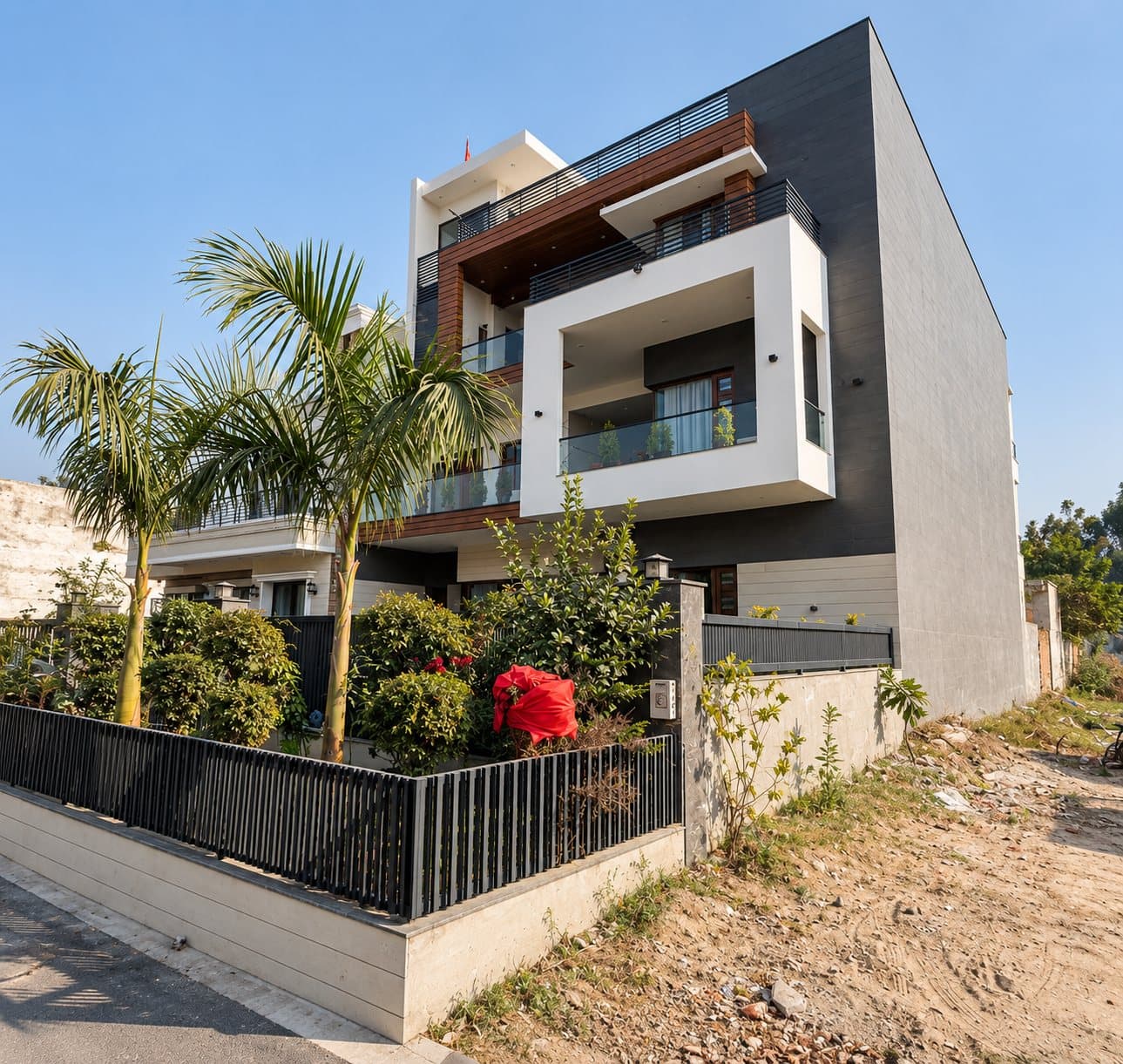
The elevation is what the street sees for decades. Proportions, materials and shading can turn a standard design into a distinctive one, often without adding much to the cost.
Before materials are ordered
Stone, tiles, cladding and finishes are a large part of the budget. A material and finish consultation makes sure they work together and suit the climate before they arrive on site.

The most valuable advice is usually given before anything is built, not after.
What a good consultation includes
- A review of your existing drawings, site and brief.
- Clear, practical recommendations rather than a complete redesign.
- Sketches or references where a change is easier to see than to describe.
- A short list of priorities, so you know what matters most and what can wait.
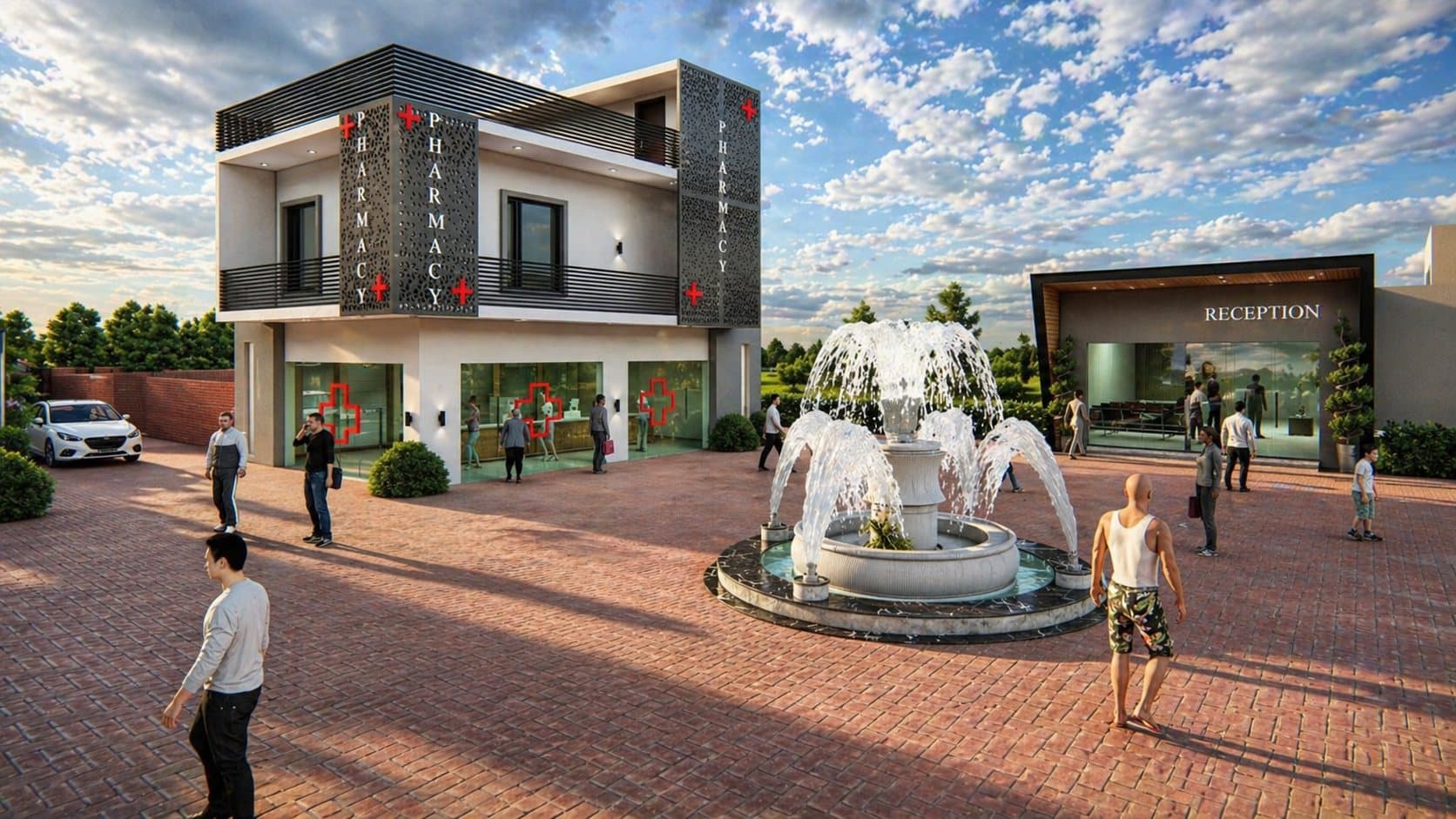
Consultancy works for commercial projects as well as homes. Clinics, shops and mixed-use buildings benefit from a review of planning, frontage and how customers move through the space.