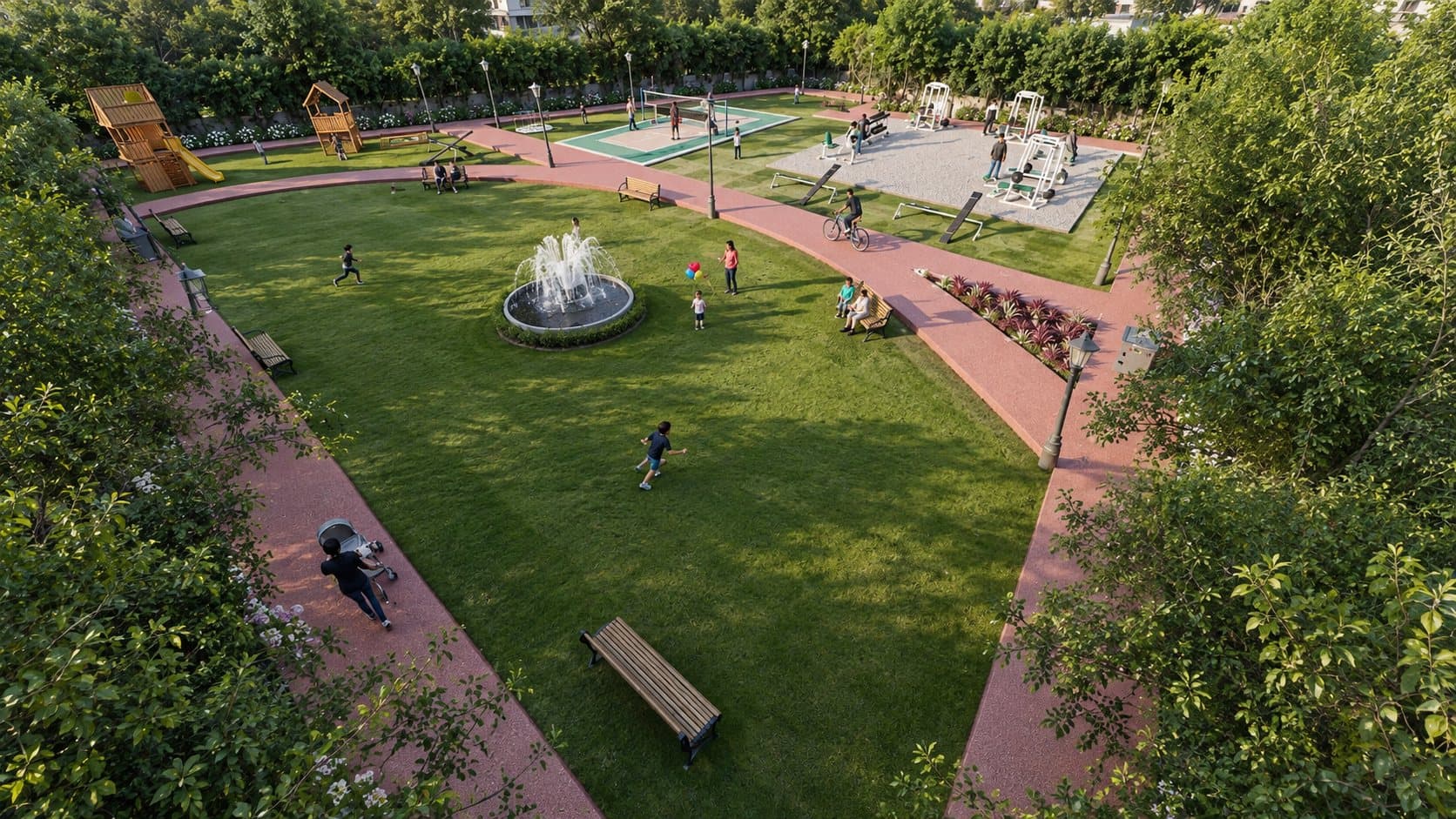
Outdoor space is often planned last, after the house is designed and the budget is stretched. That is a missed opportunity. A well-planned courtyard, terrace or forecourt extends the living area of a home and changes how the whole house feels.
In the North Indian climate, outdoor space has to work through intense heat, heavy rain and cold evenings. These are the principles behind our landscape and outdoor design work.
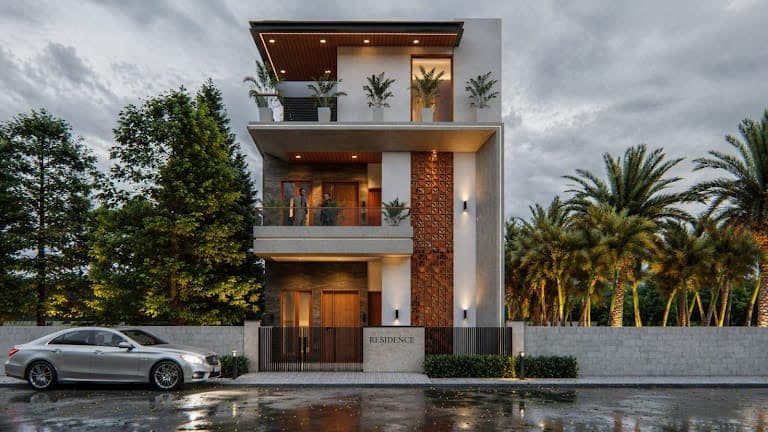
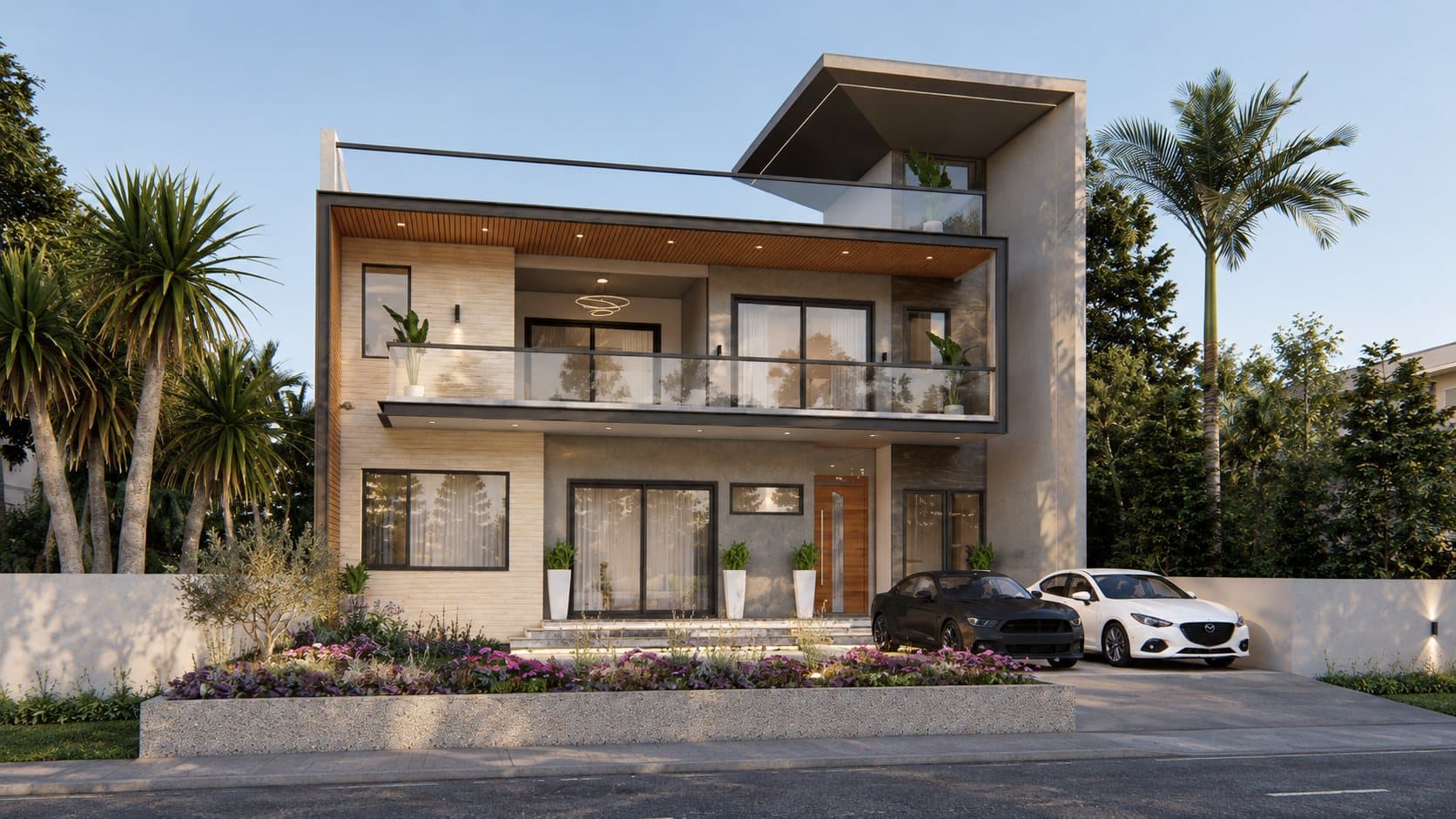
The forecourt sets the first impression
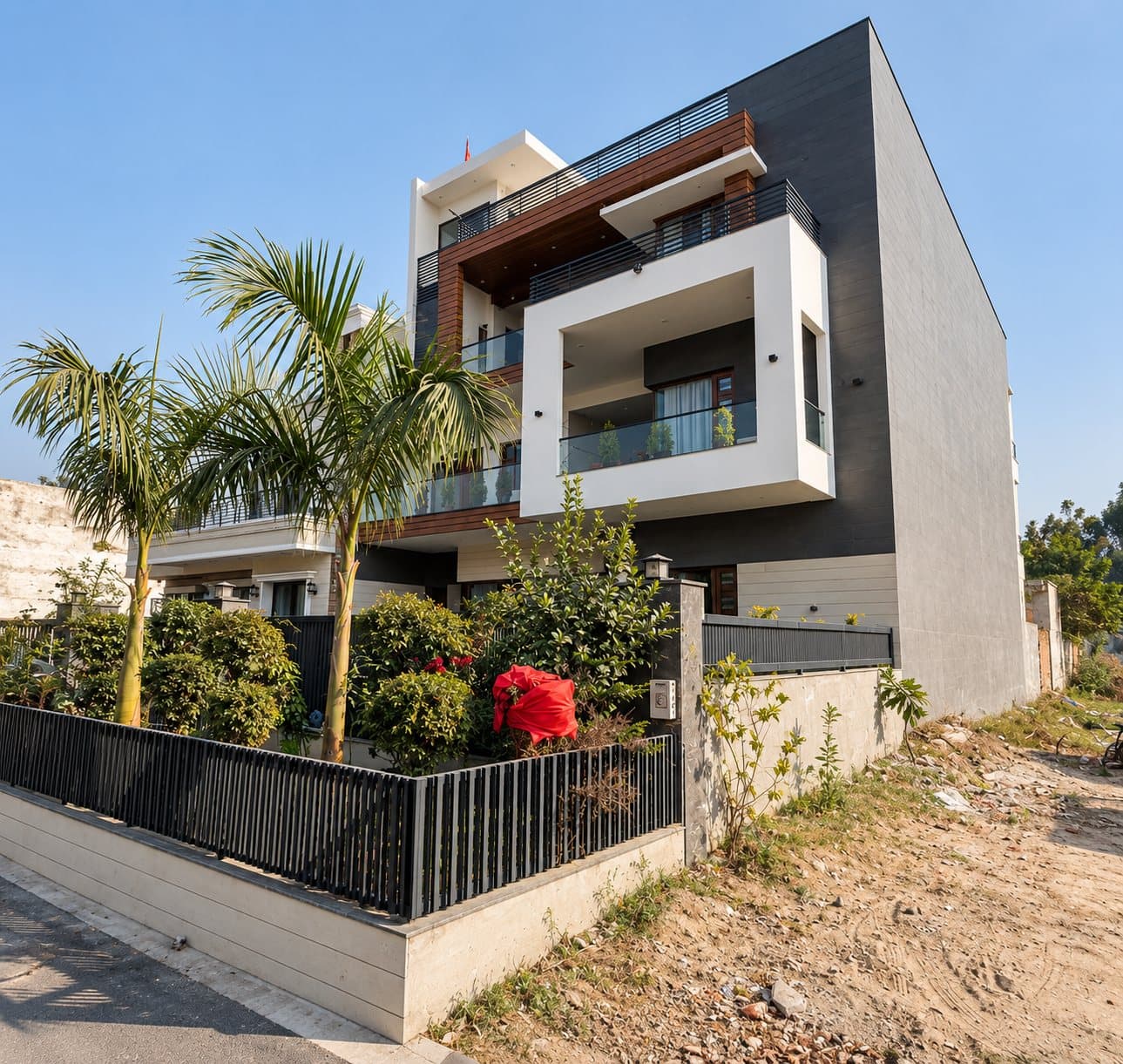
The space between the gate and the front door is the first thing every visitor experiences. A planted bed, a change in paving and a few well-placed lights make the arrival feel considered, even on a compact plot where most of the forecourt is needed for parking.
Courtyards bring light and air into the house
A courtyard, even a small one, brings daylight and cross-ventilation into the middle of a deep plan. With a tree or tall planting for shade, a water feature and a surface that does not store heat, it can stay several degrees cooler than the street outside.
Make terraces usable, not leftover
- Shade first: a pergola, canopy or projecting roof makes a terrace usable in summer afternoons.
- Planters along the edge give privacy from neighbours and soften the parapet line.
- Waterproofing and drainage must be designed before planting, especially above bedrooms.
- Light-coloured, heat-reflective paving keeps the terrace and the rooms below cooler.
The best outdoor spaces feel like rooms without a ceiling, not like the space left over after the house.
Choose planting for the climate
Plants that suit the region need less water and less maintenance, and they survive the summer. A mix of hardy shrubs, seasonal flowering plants and a few trees for shade gives a garden structure all year round. Group plants by their water needs so irrigation stays simple.
Balance hardscape and softscape
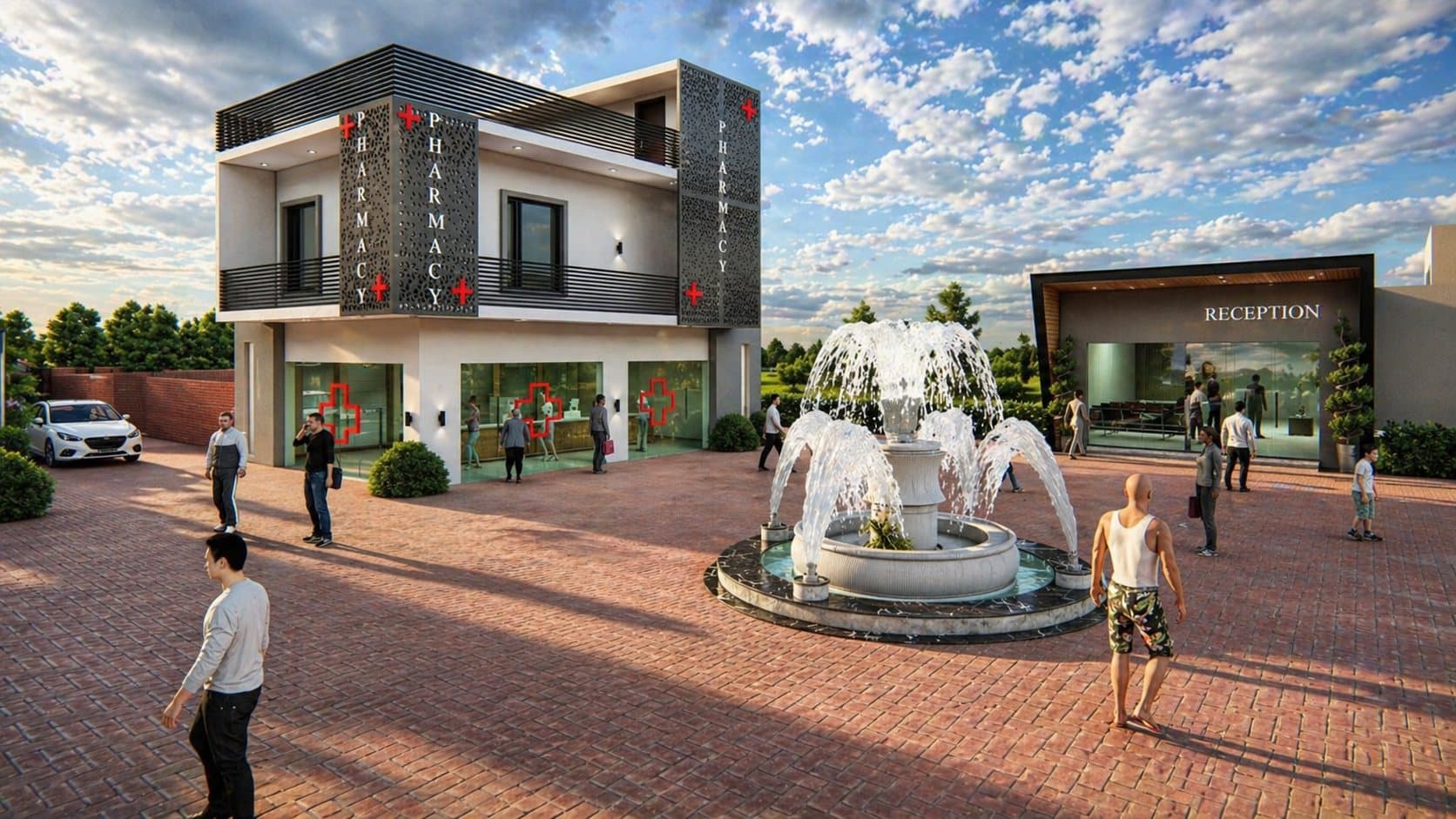
Too much paving makes a space hot and hard. Too much lawn becomes difficult to maintain. Stone pathways, brick or textured paving and gravel beds combined with planting give a durable, low-maintenance layout that still feels green.
Light the garden for the evenings
In much of the year the garden is used most after sunset. Uplighting trees, low path lights and warm lighting on walls make outdoor spaces usable and safe at night without glare into neighbouring homes.